A Princely Tale
Author: Jane Nemecek, published: 28th June 2023, pictures: Sporthorse-Data
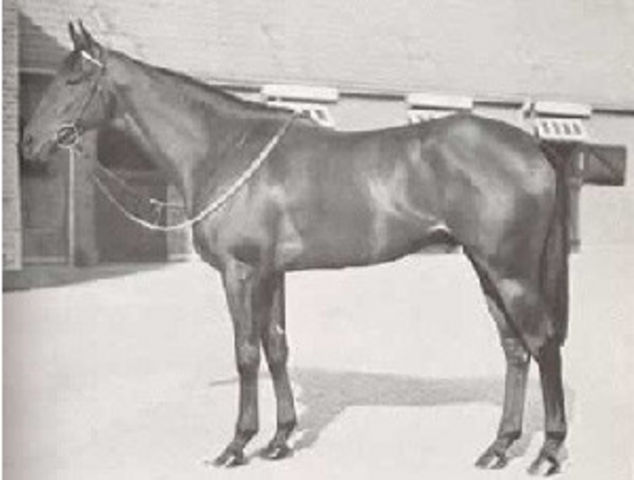
June 11's Hakodate Sprint Gr.3 brought back the name I registered a year ago: Big Arthur. A twelve-year-old stallion is a member of one of the rarest Nasrullah's lineages, Princely Gift, and probably its last hope for survival.
What is so special about Princely Gift? In the 1960s, Princely Gift became a prime source of speed among European stallions, just in time to produce top-class rivals of Grey Sovereign's speedsters or Orby's descendants. However, he also proved capable of siring a classic horse when Sun Prince ran third in the 2000 Guineas behind High Top and Roberto. Roberto - or better say Lester aboard - also defeated Princely Gift's grandson Rheingold in the tight finish of the Epsom Derby. And finally, Rheingold went on to become the top European horse, a rival to Dahlia or Allez France - and the Prix de l'Arc de Triomphe winner.
Sons of Princely Gift will be mentioned later, but mares by Princely Gift also proved talented producers. Princely Gift became a damsire of Dominion and the third sire of Don't Forget Me and Grundy. His sons influenced horses like Mrs. McArdy, Three Troikas, Cairn Rouge, Rodrigo de Triano, or Definite Article, and that's a good part of European racing history.
There can be little doubt that Princely Gifts had a lot of talent. From today's point of view, it's even possible to wonder why this fast blood, capable of evolving from pure sprinters to mile and beyond, wasn't more valued in Europe. But the factual aspect is simple: the line was sold out to Japan as thoroughly as no other lineage before or after.
Origin: British Nasrullahs
Let's tell the story from the beginning. In the late 1940s, Nasrullah left seven Irish crops of foals before being sold to Claiborne. These crops included several successors, starting with the 1948 grey colt, Grey Sovereign, who founded a separate dynasty of European and American runners. Indian Hemp, born in 1949, was sent to the U.S. after a moderate two- and three-year-old season, and his champion son T. V. Lark made a valuable contribution to the American breeding, especially with the family of Miss Carmie (Winning Colors, Chief's Crown). Another pair of 1949 colts, Orgoglio and Rego, made history in Australia - suffice to say they were damsires of Vain and Century. The U.S.-bred Never Say Die was conceived in Ireland, and in a well-known story, both he and his son Larkspur won the Epsom Derby. Never Say Die had champion sons in New Zealand & Japan and a grandson in Argentina but no successor in Europe. Numerous other early Nasrullahs like Nasr-Ed-Din, Edwardsii, Coronation Boy, Curragh King, or Cockrullah were sold to the U.S., Australia, our South America.
Who did stay was Grey Sovereign, the Guineas & Champion Stakes winner Nearula, and Princely Gift. Famous European Nasrullahs of the later decades - Mill Reefs, Rivermans, and Blushing Grooms - were different horses, tracing back to the U.S.-bred stallions Never Bend and Red God.
Princely Gift
Princely Gift was a 5,000 Guineas yearling purchase for Crepello's owner, Sir Victor Sassoon, despite coming from an immediate family of Irish classic winners Stalino and Bright News. As a juvenile, Princely Gift ran second by a short head to Darius in the July Stakes, and Darius turned out to be the top colt during all three seasons on a racetrack with the Champagne Stakes, 2000 Guineas, and Eclipse Stakes wins. But Princely Gift later profiled himself as a sprinter, and peaked as a four-year-old in minor stakes races, including the future Gr.3 Hungerford Stakes. He must have had some tremendous performances under his belt as he earned the Timeform rating of 137 for his victory in the Portland Handicap, where he set the new Doncaster course record.
Princely Gift's foals were often precocious two-year-olds and sprinters like their sire, and up to these days, there's many forgotten names and great efforts:
| Horse | Born | Best performances |
|---|---|---|
| Floribunda | 1958 | 1. Nunthorpe Stakes, 2. King’s Stand Stakes, 3. Gimcrack Stakes |
| Prince Poppa | 1959 | 1. Phoenix Stakes, 3. Futurity Stakes, Two Thousand Guineas |
| Romantic | 1960 | 1. July Stakes, 2. Champagne Stakes, 3. Middle Park Stakes |
| Princelone | 1961 | 1. Queen Anne Stakes |
| Faberge II | 1961 | 2. Two Thousand Guineas, 3. Champagne Stakes, Middle Park Stakes |
| Golden Apollo | 1961 | 3. King’s Stand Stakes |
| Present | 1962 | 3. Two Thousand Guineas |
| Siliconn | 1962 | 3. Nunthorpe Stakes |
| Caterina | 1963 | 1. Nunthorpe Stakes, 2. Nunthorpe Stakes |
| Tesco Boy | 1963 | 1. Queen Anne Stakes, 3. Sussex Stakes, Queen Elizabeth II. Stakes, Champion Stakes |
| Frankincense | 1964 | 2. Queen Anne Stakes, 3. Sussex Stakes |
| Jadeite | 1964 | 1. Phoenix Stakes |
| Rare Jewel | 1964 | 3. Irish 2000 Guineas |
| Berber | 1965 | 2. Middle Park Stakes, 3. St. James’s Palace Stakes |
| So Blessed | 1965 | 1. July Cup, Nunthorpe Stakes, 2. King’s Stand Stakes, 3. Prix de l’Abbaye de Longchamp, etc. |
| Princeline | 1966 | 1. Prix Morny, 2. Poule d’Essai des Pouliches, Prix Jean Prat |
| Divine Gift | 1967 | 3. Middle Park Stakes, Champagne Stakes |
| Realm | 1967 | 1. July Cup, 2. Lockinge Stakes, July Cup, etc. |
| Tribal Chief | 1967 | 1. Norfolk Stakes |
| Sun Prince II | 1969 | 1. Prix Robert Papin, St. James’s Palace Stakes, 3. Middle Park Stakes, Two Thousand Guineas, Lockinge Stakes, Sussex Stakes, Eclipse Stakes |
It's a very impressive list, and there are equally fascinating stories behind some of these results. Realm, best over 6 furlongs, was defeated in the Lockinge only by Welsh Pageant, the top miler & future champion. Princeline, a forgotten filly, defeated Prince Regent in the Prix Morny and the Poule d'Essai des Poulains winner Don II in the Prix Jean Prat. And Tesco Boy scalped Great Nephew in the Queen Anne Stakes and ran third behind Hill Rise, Silly Season, or Pieces of Eight in the rest of mentioned races.
Princely Gift left 14 crops of foals and died in 1973. Most of his sons began stud career in Great Britain, but few were destined to stay.
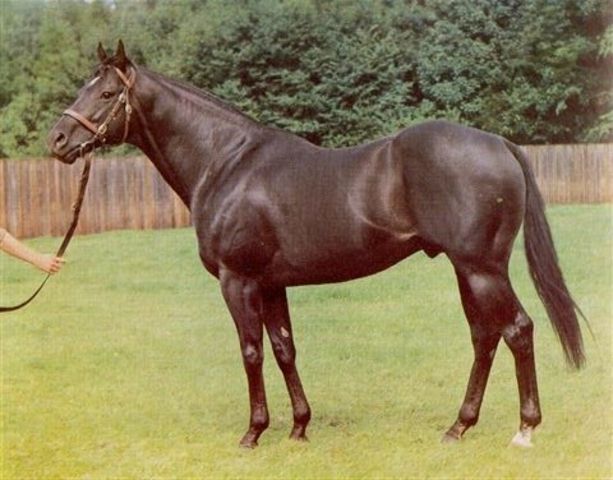
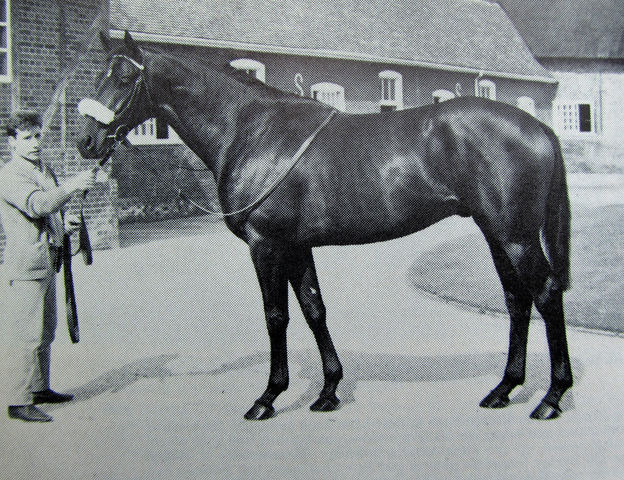
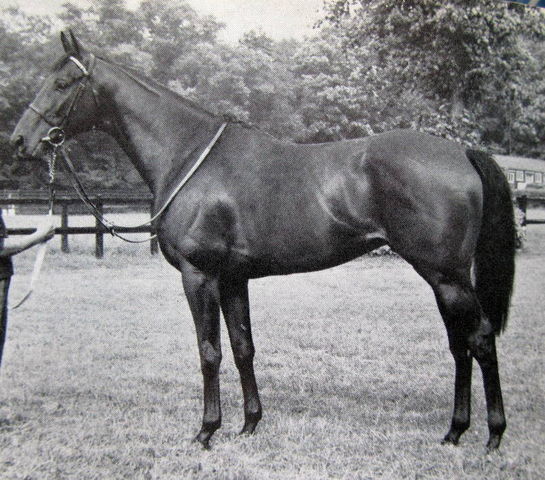
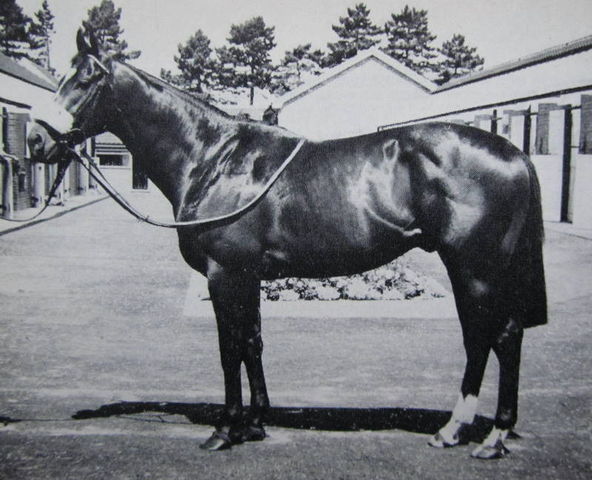
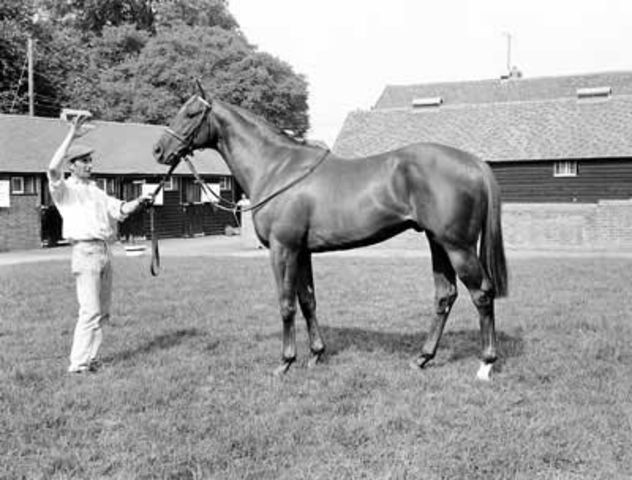
Late '60s: Exodus begins
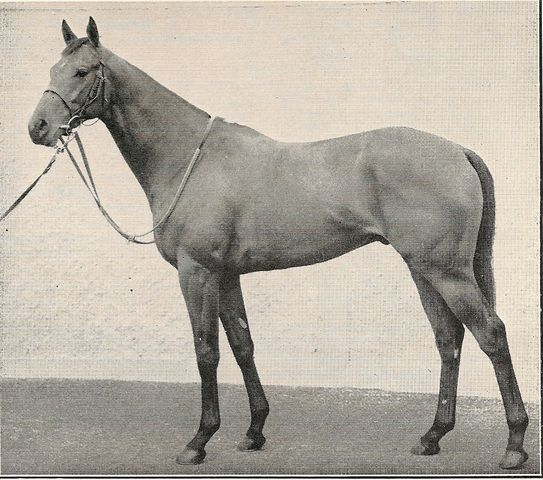
Tesco Boy was the first to leave for Japan after the 1967 breeding season. It was quite a remarkable move at the time: Tesco Boy was not the top racehorse, and Princely Gift's best sons So Blessed and Sun Prince were yet to come. Also, it was the early 1970s that saw an explosion of talent with Princely Gift's first grandsons and granddaughters, starting with 1971, when King's Company won the Irish 2000 Guineas, Faberge's Tawny Owl ran third in the Poule d'Essai des Poulains, and Tesco Boy's own daughter Super Honey came home second in the One Thousand Guineas. And in 1972, Sun Prince and Rheingold scored in English classics, having their success underlined by Princely Gift's grandson Gift Card, second to Riverman in the 1972 Poule d'Essai des Poulains.
By the time all this happened, Tesco Boy was already siring his own classic victors in Japan, and was on the road to two titles of the leading sire and six more of a vice-champion. The Japanese got incredibly lucky with his import, but it was only the beginning of the whole story.
Three more stallions followed Tesco Boy between 1969 and early 1971, starting with Berber, who ran second to Petingo in the Middle Park Stakes and the St. James's Palace Stakes. Second was Floribunda, who was a disappointment after nine years at stud, and it took his daughter Shopping Wise more than 30 years to become a granddam of Acclamation.
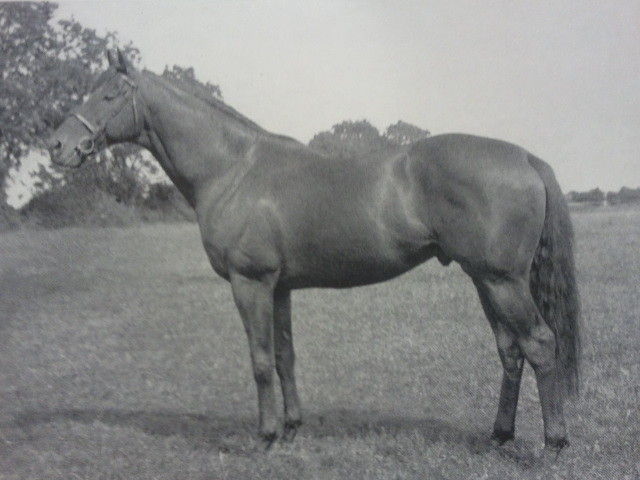
And finally, Faberge left: he sired five classic horses between 1969 and 1971, including Rheingold and Giacometti, who placed in all Triple Crown races before winning the Champion Stakes. But as you can see on the timeline below, all of them hit the track after Faberge was gone. Let's admit that purchasing the future sire of the Prix de l'Arc de Triomphe winner is beyond any definition of luck already.
Faberge didn't get lost in Japan either - he sired numerous stakes horses, including the Japanese 2000 Guineas winner Hard Berge and the champion two- and three-year-old filly Victoria Crown. His granddaughter Shadai Kagura won the Japanese 1000 Guineas, and great-grandson Sunny Brian won 2000 Guineas and Derby; they also became champions of their divisions. It already suggests that Faberge left many good mares, and the name that stands out among their progeny is Tokai Teio, a great-grandson of Faberge. He won the 2000 Guineas and the Derby, which earned him the Horse of the Year honors, but went on to win the Japan Cup at four and the Arima Kinen at five, over another Horse of the Year, Biwa Hayahide. Tokai Teio was inducted into the Japanese Racing Hall of Fame only two years later.
For the record, JBIS (Japan Bloodstock Information System) says that Faberge was the leading sire of the 1982 racing season, while the old online resources state it was Northern Taste. If we decide to trust JBIS, Faberge was also a vice-champion in 1979, third in 1977 & 1981, and overall spent eight years in the stallion top 10. And even though he was sent to Japan after quite a lengthy European career, he spent 16 more seasons at stud in the Land of the Rising Sun and successfully covered mares until the age of 25.
One last note on this period belongs to Berber. You can spend years without hearing his name, despite his top efforts behind Petingo and the defeat of Jimmy Reppin in the Diomed Stakes. He was not a celebrated champion in Japan either, but he was the top 10 stallion, third in 1980. More importantly, we should learn the name of his son Kane Minobu, the Japanese Horse of the Year 1978. He won or placed in 17 graded races during four seasons, ran third in the Japanese Derby, and got his big victory in the Arima Kinen 1978. Almost a decade later, Berber's granddaughter Max Beauty won both Guineas and Oaks on the verge of getting the championship honors for her age and sex.
The following timeline tables are easy to understand. They designate years at stud of a particular stallion (i.e., Princely Gift's first crop was born in 1957), and colors mean regions: green for Europe, yellow for Japan, and blue for Australia & New Zealand.
Timeline 1: early development of Princely Gift's branch
| 1951 | 1952 | 1953 | 1954 | 1955 | 1956 | 1957 | 1958 | 1959 | 1960 |
|---|---|---|---|---|---|---|---|---|---|
| Princely GiftNasrullah | |||||||||
| 1961 | 1962 | 1963 | 1964 | 1965 | 1966 | 1967 | 1968 | 1969 | 1970 |
|---|---|---|---|---|---|---|---|---|---|
| Princely GiftNasrullah | |||||||||
| FloribundaPrincely Gift | |||||||||
| FabergePrincely Gift | |||||||||
| Tesco Boy | Tesco BoyPrincely Gift | ||||||||
| BerberP. Gift | |||||||||
| So Blessed | |||||||||
| 1971 | 1972 | 1973 | 1974 | 1975 | 1976 | 1977 | 1978 | 1979 | 1980 |
|---|---|---|---|---|---|---|---|---|---|
| FloribundaPrincely Gift | |||||||||
| FabergePrincely Gift | |||||||||
| Tesco BoyPrincely Gift | |||||||||
| BerberPrincely Gift | |||||||||
| So BlessedPrincely Gift | So Blessed | ||||||||
| Tribal ChiefPrincely Gift | Tribal ChiefPrincely Gift | ||||||||
| Boysie BoyKing's Troop | Boysie Boy | ||||||||
| RealmPrincely Gift | Realm | ||||||||
| Gay LussacFaberge | Gay Lussac | ||||||||
| Sun PrincePrincely Gift | Sun Prince | ||||||||
| RheingoldFaberge | Rheingold | ||||||||
| Tosho BoyTesco Boy | |||||||||
As you can see, the described stallions were "the first wave" of imports, which took place between 1968 - 1971. Noticeable second phase of Japanese imports peaked around 1979 - 1980. By this time, mares by Princely Gift and his son King's Troop contributed to two European standouts: Grundy and Three Troikas, who collected nine Gr.1 victories amongst themselves. It's hard to imagine that their magnificent careers in 1975 and 1979, respectively, didn't influence, in some way, the value or at least expectations from Princely Gift stallions.
Second wave - late 1970s
If Faberge's loss was a bitter pill to swallow for European breeders, more was yet to come. The Norfolk Stakes winner Tribal Chief came to Japan for the 1976 breeding season - and Mrs. McArdy won the One Thousand Guineas in 1977. Boysie Boy's loss didn't hurt so much: he was by the Royal Hunt Cup winner King's Troop, and his only claim to fame was a second-place finish behind Habitat in the Prix du Moulin de Longchamp at four. He was sold to Australia earlier in the decade, and to be fair, he sired the Toorak Handicap (later Gr.1) winner Nunkalowe, but not much else. The story repeated itself in Japan when he got only Katsuragi Ace, the top older horse.
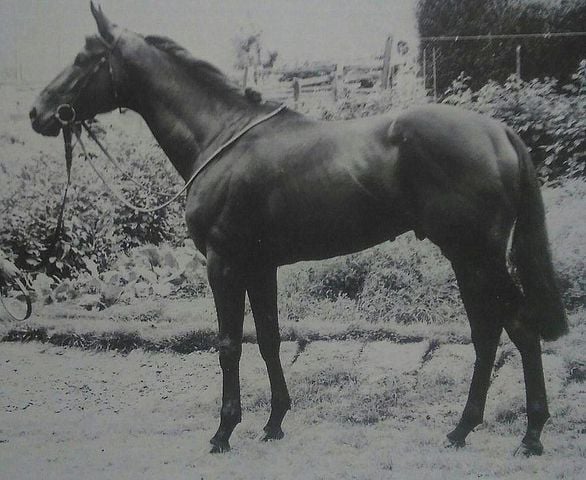
More interesting events happened at the end of the decade when a quartet of top European horses left for Japan after only a few seasons in Europe. It was Sun Prince in the first place. His was still home when his first-crop filly Cistus, second from the Prix de Diane in 1978, became one of the best European fillies, but he was already gone when Prince Bee ran second in the Irish Derby 1980. He left with Faberge's Derby Italiano winner Gay Lussac, who sired the winner of the 1980 edition, Elgay, among his first foals.
Faberge's star Rheingold followed right the next season. He got only a pair of good French colts in Noir et Or and Armistice Day, but this time, his last crop included Gildoran, a back-to-back winner of the Ascot Gold Cup.
And finally, Realm was purchased. Royal Boy, a member of his first crop, won the Mill Reef Stakes Gr.2 at two, and his second crop of 1974 included more talented two-year-olds: Sunny Springs ran third in the Prix Robert Papin behind Blushing Groom, and Rings third in the Cheveley Park Stakes to Durtal. Sadly, it was not enough to keep Realm's career alive. In good "family" fashion, it was his next-to-last European crop of 1979, which included Dara Monarch, a winner of the Irish 2000 Guineas and the St. James's Palace Stakes.
The sixth stallion, who left for Japan in a span of two years, was veteran So Blessed. Hard to say what was the reason for his purchase as his best was, at the time, a Gr.2-winning filly Duboff, nowhere near the top of the crop. But for the record, So Blessed's only Gr.1 winner, Swan Princess, was again born from his next-to-last European crop.
Japanese breeders fell short of any success with these stallions, and this is literal: Tribal Chief's Long Eagle ran third in the Japanese St. Leger 1981, and Rheingold's Fujino Fuun third in the Japanese Derby 1984. It's fair to say that they had an adequate opportunity - all of them were getting 40-60 mares per season, yet their rankings were poor. Also, all of them were acquired after the death of the Japanese pasha Tesco Boy, and his son Tosho Boy was preferred. But it's hardly an excuse for the failure of six other stallions.
From now on, the story of Princely Gift in Japan continued with Japanese-breds. And it's a good one, but first:
Australian intermezzo
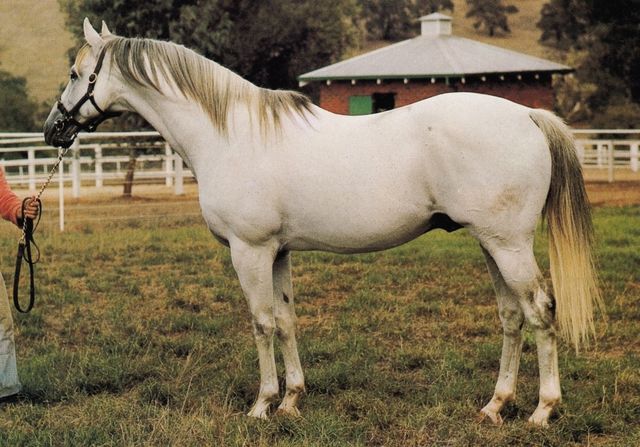
Without much exaggeration, the only Princely Gifts who didn't leave for Japan were those who left for Australia. Romantic, who finished third in the Middle Park Stakes, covered his first mares there as a three-year-old. Prince Poppa, who managed to finish third in otherwise forgotten running of the 2000 Guineas won by Privy Councillor, followed, together with Rich Gift, a minor winner over 5 furlongs. Burgess Point was a colt of a similar class.
Although present in many Gr.1 pedigrees, they had no lasting influence. The biggest name connected to Australian Princely Gifts is Strawberry Road, a grandson of Rich Gift. He won the AJC Derby and the Cox Plate on his way to the Australian Horse of the Year title and then was sent to travel the world. He became a Gr.1 winner in Germany (1984), France (1985) and pressed Pebbles to run a new track record in the Breeders' Cup Turf 1985. And he certainly didn't get lost as a stallion in the U.S., siring the BC Turf winner Fraise, female champions Escena and Ajina, and passing his genes onto Vindication and Quality Road.
The last mention will belong to Jungle Boy, a colt from the only British crop of Tesco Boy and a minor winner of four races. Jungle Boy turned out to be a successful Gr.1 sire, and nowadays, he can be found in a pedigree of Tivaci, a young New Zealand stallion.
Timeline 2: Princely Gifts in Australia
| 1961 | 1962 | 1963 | 1964 | 1965 | 1966 | 1967 | 1968 | 1969 | 1970 |
|---|---|---|---|---|---|---|---|---|---|
| RomanticPrincely Gift | |||||||||
| Prince PoppaPrincely Gift | |||||||||
| Rich GiftPrincely Gift | |||||||||
| Burgess PointPrincely Gift | |||||||||
| 1971 | 1972 | 1973 | 1974 | 1975 | 1976 | 1977 | 1978 | 1979 | 1980 |
|---|---|---|---|---|---|---|---|---|---|
| King's Troop | King's Troop | ||||||||
| RomanticP. Gift | |||||||||
| Prince PoppaPrincely Gift | |||||||||
| Rich GiftPrincely Gift | |||||||||
| Burgess PointPrincely Gift | |||||||||
| Boysie BoyKing's Troop | Boysie Boy | ||||||||
| Jungle BoyPrincely Gift | |||||||||
| 1981 | 1982 | 1983 | 1984 | 1985 | 1986 | 1987 | 1988 | 1989 | 1990 |
|---|---|---|---|---|---|---|---|---|---|
| Jungle BoyPrincely Gift | |||||||||
As you can notice, one more name appears on the Australian timeline. Veteran sire King's Troop was sent to New Zealand in the summer of 1973 for the Southern Hemisphere breeding season. He left two crops of no importance and died four years later, aged 20.
British survivors
The sale of King's Troop underlined the fascinating score. Only TWO Princely Gift stallions spent their careers in Great Britain:
King's Leap sired only two noticeable stakes winners in The Brianstan and Te Igitur, over 5 and 6 furlongs, respectively. It was not until 1988 that his great-grandson Superpower finally made a Gr.1 result, winning the Phoenix Stakes.
Porto Bello, a son of Floribunda, had a pair of good handicap sprinters in 1975 when Roman Warrior defeated the Stewards Cup winner Import in the Ayr Gold Cup. Surprisingly enough, Import sired Fearless Lad, who won the King's Stand Stakes 1982 and lost the Prix de l'Abbaye de Longchamp to Sharpo. Fearless Lad was sold to stand in South Africa, where he vanished without a trace.
1980s and onwards: Japanese matters
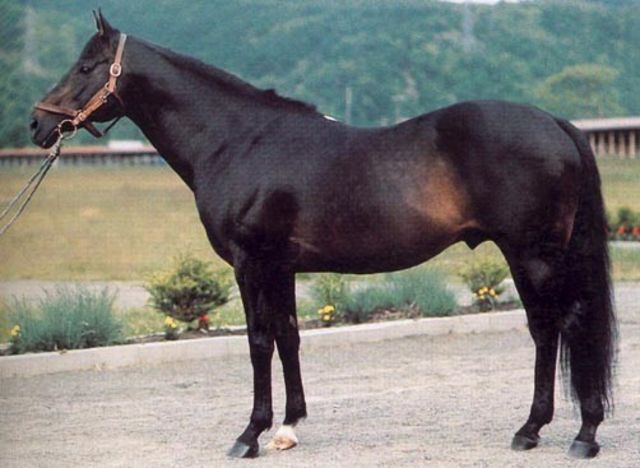
Let's return to Japan, where Tesco Boy became one of the local greats, and he did so long before the Japanese acquisition of Sun Prince or Rheingold. He was the champion sire in 1978-79, a vice-champion all other years from 1974 to 1981 (earlier data are not available), and a leading sire of two-year-olds. His first-crop son Land Prince won the Japanese Derby in 1972 while Canzone ran third in Oaks. Kitano Kachidoki lost the Triple Crown in 1974 when third in the Japanese Derby, but didn't lose the championship title & Horse of the Year honors. Tesco Gaby won both fillies' classics in 1975, Tosho Boy became the Horse of the Year in 1976, and Inter Gushiken won the 1978 St. Leger. Oyama Tesco and Horsemen Tesco won two editions of the One Thousand Guineas in the late 1970s, and Hokuto Boy and Hagino Kamui O became top older horses. So was the last major son of Tesco Boy, Sakura Yutaka O, who won the 1986 Tenno Sho (Autumn).
There were many more good runners, of course, and Tesco Boy had a fair share of a damsire's success, too: most notably with the Japanese Derby winners Bamboo Atlas and Ines Fujin (grandsons), and Merry Nice and Winning Ticket (great-grandsons).
All mentioned sons of Tesco Boy enjoyed a stallion career, but only Tosho Boy and Sakura Yutaka O became the top-class sires. Tosho Boy was an unraced two-year-old but ran 1-2-3 in Japanese classics. After winning the Arima Kinen over the former champion two-year-old (and future Horse of the Year) Ten Point, Tosho Boy was voted the champion three-year-old, in addition to his Horse of the Year honors. As a four-year-old, he defeated Ten Point in the Takarazuka Kinen Gr.1 and lost the Arima Kinen to him; third in both races was Green Grass, another future Horse of the year.
It's worth reminding that the champion sire's title in Japan was almost reserved for Northern Taste from 1982 to 1992, which was just two years before the Sunday Silence era. Still, Tosho Boy was one of the top Japanese sires and the vice-champion in 1987 and 1991. His progeny was noticeably best from six to ten furlongs, and accordingly, his daughters Ara Hotoku and Sister Tosho won the Japanese 1000 Guineas. However, Tosho Boy made history with a stayer.
His name was Mr. C. B., and he owned both a rare name and pedigree. His damsire was Topyo, the 1967 Prix de l'Arc de Triomphe winner sold to stand in Japan. Topyo died after only six seasons at stud, leaving two top fillies: Diamante won the Queen Elizabeth II. Commemorative Cup, a former classic race for fillies, and C. B. Queen from the same crop ran third in the Japanese Oaks. Mr. C. B. was her first and only foal: according to JBIS, she didn't deliver a live foal from at least nine subsequent tries.
Mr. C. B. won or placed in 12 out of his 15 starts, and won the 1983 Japanese Triple Crown. As a four-year-old, he won the Tenno Sho (Autumn) and lost the Arima Kinen to another Triple Crown winner Symboli Rudolf and Katsuragi Ace (the Boysie Boy colt). Sadly, Mr. C. B. turned out to be a weak sire, his best being the Guineas-second Shako Grade.
Tosho Boy was inducted into the Japanese Hall of Fame right after its creation in 1984 and Mr. C. B. was one of the early inductees in 1986. I owe several words to Tosho Boy's daughters, commonly traceable in Japanese pedigrees. Vodka, a great-granddaughter of Tosho Boy, became the first filly since the 1940s to capture the Japanese Derby; she became the champion two-year-old filly, the double champion older mare and Horse of the Year in 2008 & 2009 - and another Hall of Fame inductee in 2011. More descendants emerged recently, as Stelvio won the 2018 Mile Championship Gr.1, Lei Papale defeated Contrail in the 2021 Osaka Hai, and Water Navillera and Umbrail became Gr.1-placed fillies of this season. All prove that Tosho Boy's blood is far from being dead and forgotten.
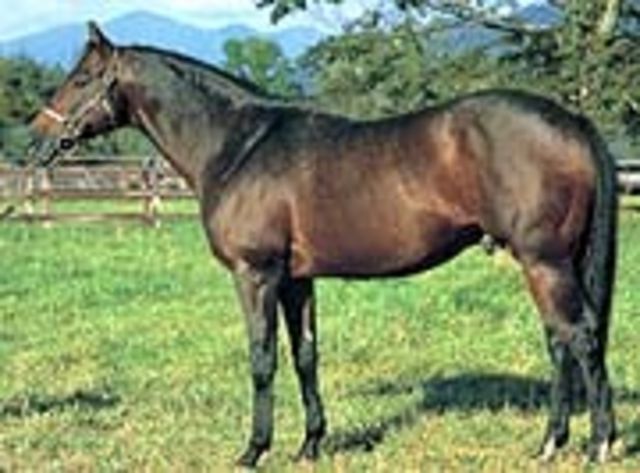
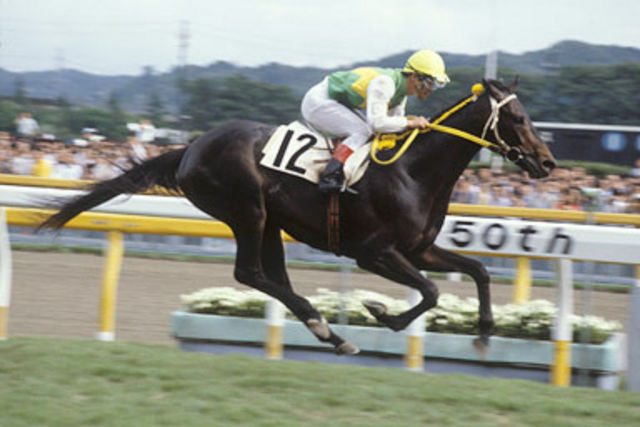
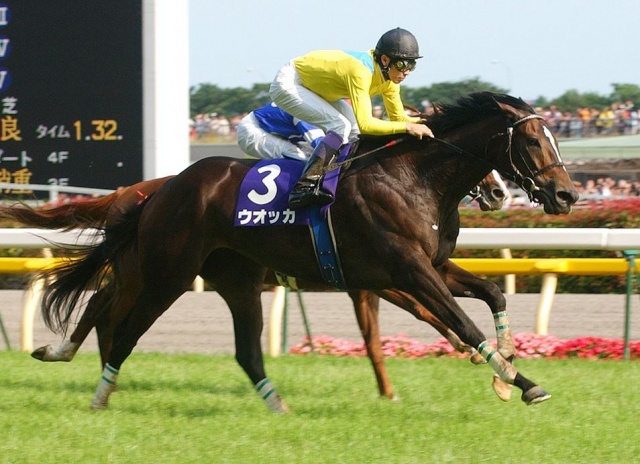
If anybody seemed destined to continue the line, it surely was Tosho Boy. But just like so often in the thoroughbred history, something seemed to have different plans.
Sakura Yutaka O was born long nine years after Tosho Boy. He was no superstar, winning half of his 12 starts with one runner-up finish. He was a mere Gr.3 winner over 9 furlongs as a three-year-old; he won a pair of Gr.2 races before taking the Tenno Sho (Autumn) Gr.1 over former champion tree-year-old colt Miho Shinzan. Otherwise a stallion of very impressive conformation, he sired the Queen Elizabeth II. Commemorative Cup winner Sakura Candle, the Japanese Oaks winner Umeno Fiber, and the Yasuda Kinen Gr.1 winner Air Jihad.
If you feel like this is not an outstanding record, you're right. However, Sakura Yutaka O ranked fifth on the general sires' list in 1993 & 1994 and sixth two more times until 1999, when his last crop of foals was born. In other words, he was among the top stallions until the end of his career, and even more surprisingly, he managed to do so during the years when Sunday Silence was in his prime. And this is some achievement.
In 1989, Sakura Yutaka O sired a bay colt of a similar name: Sakura Bakushin O. Sakura Yutaka O had no trouble with siring milers and middle-distance horses but this colt out of a Northern Taste x Ambiopoise mare surprisingly became a talented sprinter. He worked his way up from a moderate three-year-old season to two consecutive victories in the Sprinters Stakes Gr.1 and won the 1994 JRA Award for the champion sprinter & miler.
Anything but a copy of his fine-looking sire, Sakura Bakushin O emulated him by being a constant member of the stallions' top 10 from 2000 to 2010 - once again, during the reign of Sunday Silence. His best ranking was fourth twice in 2005 & 2006, and he stayed in the top 20 until 2015, even though his progeny further met the first four "champion crops" of Deep Impact.
Sakura Bakushin O was not a sire of big names, but his list of stakes progeny is impressively long. His daughter She Is Tosho ran second in the 1000 Guineas to the Fillies' Triple Crown winner Still In Love; Grand Prix Boss became the champion two-year-old in 2010 and a proven Gr.1 miler. Shonan Kampf in 2002 and Big Arthur in 2016 won the Gr.1 Takamatsunomiya Kinen over six furlongs.
One more name needs to be mentioned: Kitasan Black. A son of Black Tide was out of the Sakura Bakushin O mare Sugar Heart, and we all remember his fantastic achievements: victories in the Japanese St. Leger at three and the Japan Cup at four, and the Tenno Sho (Spring), Tenno Sho (Autumn) and Arima Kinen treble at five. While the racing fans will remember two titles of the champion older male & the Horse of the Year, I value his incredible final time in the Tenno Sho (Spring) - a world record of 3:12.50 for two miles. That's the same pace as in the Secretariat's Belmont Stakes, carried a half-mile further. And if this is not enough, it's a hell of an achievement for a grandson of a sprinter.
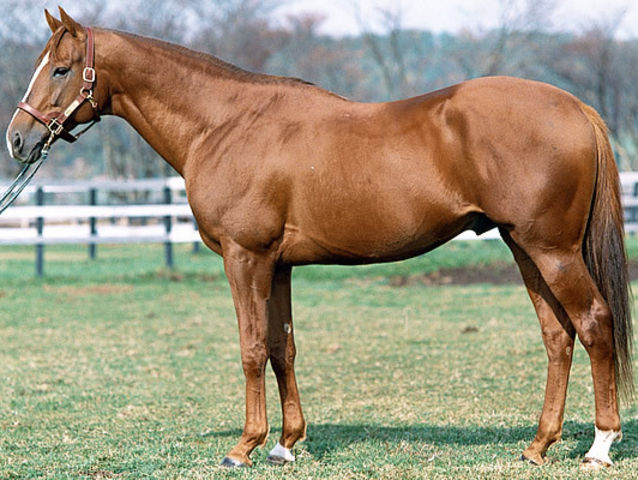
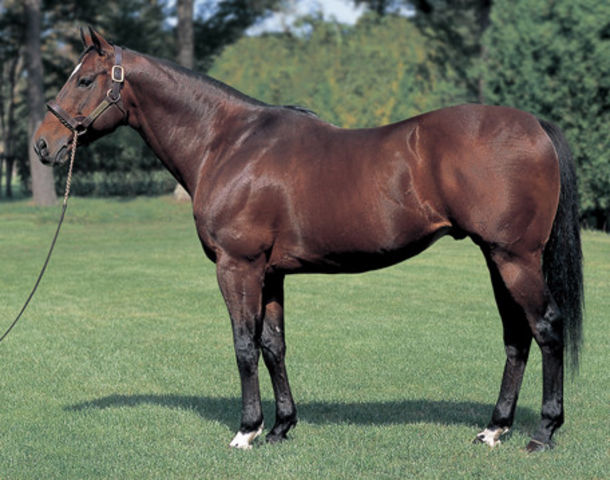
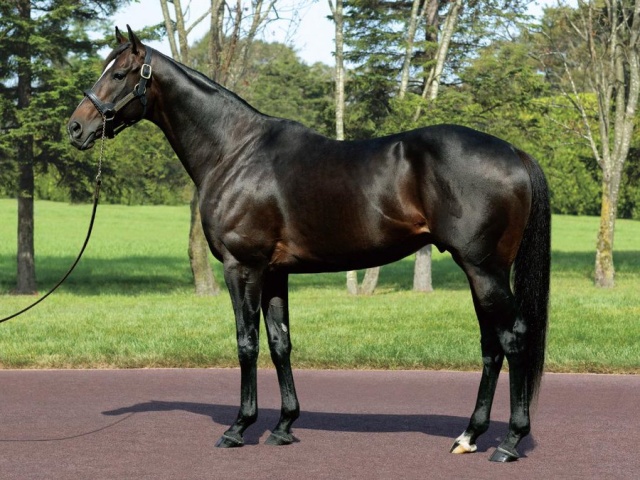
Kitasan Black is already a proven stallion with the Arima Kinen & Duba Sheema Classic victor Equinox and the 2000 Guineas winner Sol Oriens. We can await more big things from him, but Kitasan Black is not a direct descendant of Princely Gift. Luckily, some others were.
The youngest generation
All three major sons of Sakura Bakushin O were mentioned: Shonan Kampf, Grand Prix Boss, and Big Arthur. Shonan Kampf won 8 of his 18 starts and was both a Gr.1 winner & placed over 6 furlongs. He was not a popular sire - at the beginning of his career, he had less than ten mares per season. He still managed to sire some graded horses, including the Asahi Hai Futurity Stakes Gr.1 second Shonan Achieve and the 2018 Sprinters Stakes Gr.1 second filly Love Kampf.
For a long time, Shonan Kampf appeared to be the last hope of Princely Gift, especially when Love Kampf emerged so late in his career. But the happy ending never happened as Shonan Kampf never sired a truly top colt, worth a stud career. As of 2023, it's safe to say that his lineage won't continue.
Grand Prix Boss was born ten years after Shonan Kampf. He raced for five seasons and won 6 out of his 25 starts, which does not exactly describe his career: he was a consistent Gr.1 performer most of those years. He won the Asahi Hai Futurity at two, the NHK Mile Cup Gr.1 at three, and ran second in the Gr.1 Yasuda Kinen 2012 & 2014, beaten by the champion Just a Way in the latter running. He covered more than 100 mares in his first two seasons, but he couldn't sire a graded horse, and the interest in him dropped rapidly. The stallion had only three mares in 2022 and no live foals; by this time, he was only 15 and it seems that this was also his last season at stud.
Now, let's jump a few years back to appreciate the situation. Sakura Bakushin O died of a heart attack in April 2011, and foals conceived in 2010 remained his last official crop. By 2016, Shonan Kampf's stud career was technically over, and Grand Prix Boss was an unproven young stallion. At this moment, a colt named Big Arthur, from Sakura Bakushin O's last crop, became a new Gr.1 winner.
Big Arthur won his only start at three and didn't finish worse than third in his eight starts at four, including a pair of Gr.3 six-furlong victories and a subsequent third-place finish in the Gr.2 Hanshin Cup. In March 2016, he defeated this season's champion sprinter Mikki Isle in the Takamatsunomiya Kinen Gr.1, running six furlongs in sensational 1:06. He subsequently landed his final career victory in the Gr. 2 Centaur Stakes.
Big Arthur raced three more times in Gr.1 races and finished unplaced, but he deserves some credit for his only start in 2017. He entered the Gr.1 Sprinters Stakes of an 11-month layoff and still finished sixth in the blanket finish, less than two lengths behind the back-to-back winner Red Falx.
Big Arthur had tremendous support from breeders during his first four seasons at stud. He doesn't live up to the expectations so far, but he managed to sire a proven graded sprinter Toshin Macau. Also, he ranks around the top 40 stallions. Anybody familiar with stallion rankings in big racing countries knows it's not a terrible result at all - in tough Japanese competition, Kitasan Black is 17th, and I'll Have Another 31st. Moreover, Big Arthur had his first foals in 2019 and got this high with the first crop of three-year-olds.
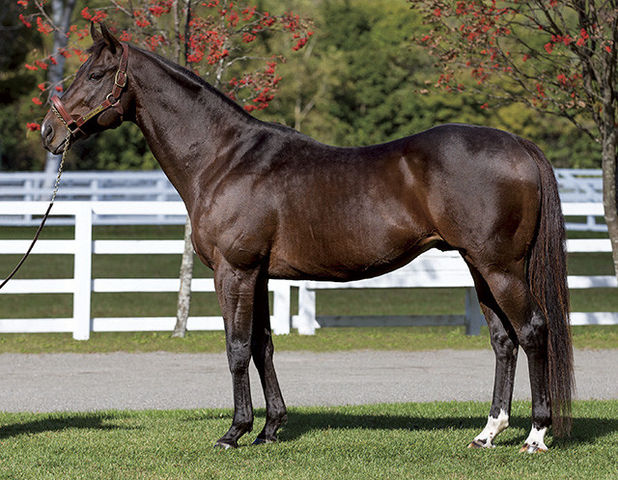
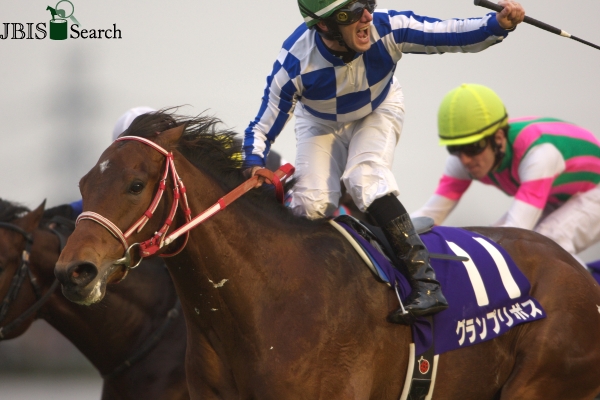
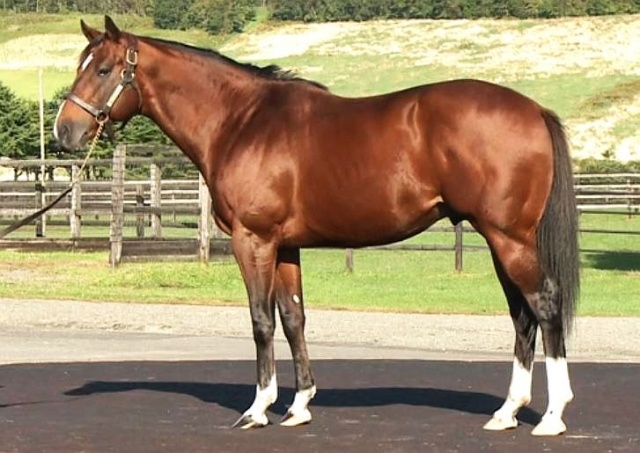
It's clear from the text that Big Arthur is the only remaining hope of the lineage for survival - and not a bad one at all. To close this chapter, I'd like to mention Big Arthur's pedigree, which is unique for both a Japanese horse and a sprinter.
First of all, he's free of Sunday Silence, and this doesn't need further comment. Another surprising factor is his dam, a Kingmambo x Sadler's Wells mare - a combination you would expect from a European Guineas winner, not a Japanese sprinter. And finally, the sequence of bloodlines in Big Arthur's pedigree is Nasrullah x Mr. Prospector x Northern Dancer x Nasrullah x Tourbillon. Big Arthur's fourth sire is Liloy, a former Argentinian stallion and a damsire of great Interprete; Big Arthur's fifth sire is Emerson, a Brazilian grandson of Tourbillon.
Big Arthur's French family traces back to the 1919 Prix de Diane winner Queenouille, otherwise a fourth dam of Vieux Manoir. And his own fourth dam Rescousse won the same race in 1972 before finishing second to San San in the Prix de l'Arc de Triomphe.
Not that I assign any significance to a European pedigree in Japanese breeding. However, one must admit that Big Arthur's pedigree would be an absolute jewel, had he stood in Great Britain instead of Japan.
Whataver will be...
Princely Gift was born in 1951, and started breeding mares in 1956. Both figures mean we have about 70 years of existence of this Nasrullah branch - and considering some frankly minor and seemingly unimportant lineage, it's incredible duration.
For the record, so are some periods between the line's stallions: 19 years between Tesco Boy and Sakura Yutaka O, and even 22 years between Sakura Bakushin O and Big Arthur. Not that it's more than a curiosity; well, maybe yet another reminder of how lucky we are to see the lineage alive.
Today, it no doubt adds to the variability of bloodlines. It sure is an enrichment in the domestic Japanese population, dominated by Sunday Silence, but lineages like Princely Gift's keep getting rare globally. It's a joy to watch this one alive - and would be even greater to have her in the upcoming years.
Scheme 1: Princely Gift's branch & major successes
- Princely Gift (GB), 1951
- King's Troop (GB), 1957
- Boysie Boy (GB), 19652. Prix du Moulin de Longchamp
- Katsuragi Ace (JPN), 19801. Takarazuka Kinen Gr.1, Japan Cup Gr.1, 2. Arima Kinen Gr.1
- King's Company (IRE), 19681. Irish 2,000 Guineas Gr.1
- Boysie Boy (GB), 19652. Prix du Moulin de Longchamp
- Floribunda (GB), 19581. Nunthorpe Stakes, 2. King's Stand Stakes
- Porto Bello (GB), 19653. King's Stand Stakes
- Import (GB), 19712. July Cup
- Fearless Lad (GB), 19792. Prix de l'Abbaye de Longchamp Gr.1
- Import (GB), 19712. July Cup
- Porto Bello (GB), 19653. King's Stand Stakes
- Prince Poppa (IRE), 19593. Timeform Gold Cup, Two Thousand Guineas
- Romantic (IRE), 19603. Middle Park Stakes Gr.1
- Faberge II (FR), 19612. Two Thousand Guineas, 3. Middle Park Stakes
- Gay Lussac (ITY), 19691. Derby Italiano
- Long Grace (JPN), 19801. Queen Elizabeth II. Commemorative Cup, 3. Tenno Sho (Autumn) Gr.1
- Rheingold (IRE), 19691. Grand Prix de Saint-Cloud Gr.1 - 2x, Prix de l'Arc de Triomphe Gr.1, Prix Ganay Gr.1, 2. Derby Stakes Gr.1, King George VI. and Queen Elizabeth Stakes Gr.1, 3. Benson & Hedges Gold Cup Gr.1
- Noir et Or (GB), 19753. Grand Prix de Saint-Cloud Gr.1, 4. Prix du Jockey Club Gr.1
- Armistice Day (GB), 19762. Prix Ganay Gr.1
- Gildoran (IRE), 19801. Ascot Gold Cup Gr.1 - 2x
- Fujino Fuun (JPN), 19813. Tokyo Yushun Gr.1
- Giacometti (IRE), 19711. Champion Stakes Gr.1, 2. Two Thousand Guineas Gr.1, St. Leger Gr.1, 3. Derby Stakes Gr.1
- Hard Berge (JPN), 19741. Satsuki Sho, 2. Tokyo Yushun
- Victoria Crown (JPN), 19791. Queen Elizabeth II. Commemorative Cup
- Gay Lussac (ITY), 19691. Derby Italiano
- Tesco Boy (GB), 19633. Sussex Stakes, Queen Elizabeth II. Stakes, Champion Stakes
- Jungle Boy (GB), 1968
- Super Honey (IRE), 19682. One Thousand Guineas Gr.1
- Land Prince (JPN), 19691. Satsuki Sho, 3. Tokyo Yushun
- Kitano Kachidoki (JPN), 19711. Satsuki Sho, Kikuka Sho, 2. Tenno Sho (Spring), 3. Tokyo Yushun; Horse of the Year 1974
- Tesco Gaby (JPN), 19721. Oka Sho, Yushun Himba
- Hokuto Boy (JPN), 19731. Tenno Sho (Autumn), 3. Tenno Sho (Spring), Takarazuka Kinen
- Tosho Boy (JPN), 19731. Satsuki Sho, Arima Kinen, Takarazuka Kinen, 2. Tokyo Yushun, Arima Kinen, 3. Kikuka Sho; Horse of the Year 1976
- Mr. C. B. (JPN), 1980Japanese Triple Crown; 1. Tenno Sho (Autumn), 3. Arima Kinen
- Shako Grade (JPN), 19882. Satsuki Sho
- Ara Hotoku (JPN), 19851. Oka Sho
- Passing Shot (JPN), 19851. Mile Championship Gr.1
- Daiichi Ruby (JPN), 19871. Sprinters Stakes Gr.1, Yasuda Kinen Gr.1, 2. Mile Championship Gr.1
- Sister Tosho (JPN), 19881. Oka Sho Gr.1, 2. Yushun Himba Gr.1
- Mr. C. B. (JPN), 1980Japanese Triple Crown; 1. Tenno Sho (Autumn), 3. Arima Kinen
- Inter Gushiken (JPN), 19751. Kikuka Sho, 2. Satsuki Sho
- Oyama Tesco (JPN), 19751. Oka Sho
- Horsemen Tesco (JPN), 19761. Oka Sho
- Agnes Tesco (JPN), 19781. Queen Elizabeth II. Commemorative Cup
- Sakura Yutaka O (JPN), 1982Tenno Sho (Autumn) Gr.1
- Sakura Bakushin O (JPN), 19891. Sprinters Stakes Gr.1 - 2x, 2. Mile Championship Gr.1
- Shonan Kampf (JPN), 19981. Takamatsunomiya Kinen Gr.1, 3. Sprinters Stakes Gr.1
- She Is Tosho (JPN), 20002. Oka Sho Gr.1, 3. Takamatsunomiya Kinen Gr.1
- Grand Prix Boss (JPN), 20081. Asahi Hai Futurity Gr.1, NHK Mile Cup Gr.1, 2 Yasuda Kinen Gr.1 - 2x, Mile Championship Gr.1, 3. Hong Kong Mile Gr.1
- Big Arthur (JPN), 20111. Takamatsunomiya Kinen Gr.1
- Yukino Bijin (JPN), 19902. Oka Sho, Yushun Himba
- Sakura Candle (JPN), 19921. Queen Elizabeth II. Commemorative Cup Gr.1
- Air Jihad (JPN), 19951. Yasuda Kinen Gr.1, Mile Championship Gr.1, 3. Tenno Sho (Autumn) Gr.1
- Umeno Fiber (JPN), 19961. Yushun Himba
- Sakura Bakushin O (JPN), 19891. Sprinters Stakes Gr.1 - 2x, 2. Mile Championship Gr.1
- Berber (GB), 19652. Middle Park Stakes, 3. St. James's Palace Stakes
- So Blessed (GB), 19651. July Cup, Nunthorpe Stakes, 2. King's Stand Stakes, 3. Prix de l'Abbaye de Longchamp
- Columbanus (IRE), 19753. Irish 2,000 Guineas
- Swan Princess (GB), 19781. Phoenix Stakes Gr.1
- Princeline (FR), 19661. Prix Morny, 2. Poule d'Essai des Pouliches
- Realm (GB), 1967
- Dara Monarch (GB), 19791. Irish 2,000 Guineas Gr.1
- Broken Hearted (IRE), 19841. Lockinge Stakes Gr.2
- Dara Monarch (GB), 19791. Irish 2,000 Guineas Gr.1
- Tribal Chief (GB), 1967
- Mrs. McArdy (GB), 19741. One Thousand Guineas
- Sun Prince II (IRE), 19691. Prix Robert Papin Gr.1, 3. Middle Park Stakes Gr.1, Two Thousand Guineas Gr.1, Sussex Stakes Gr.1, Eclipse Stakes Gr.1
- Cistus (IRE), 19752. Criterium des Pouliches Gr.1, Prix de Diane Gr.1
- Prince Bee (GB), 19772. Irish Derby Gr.1, Coronation Cup Gr.1
- King's Troop (GB), 1957